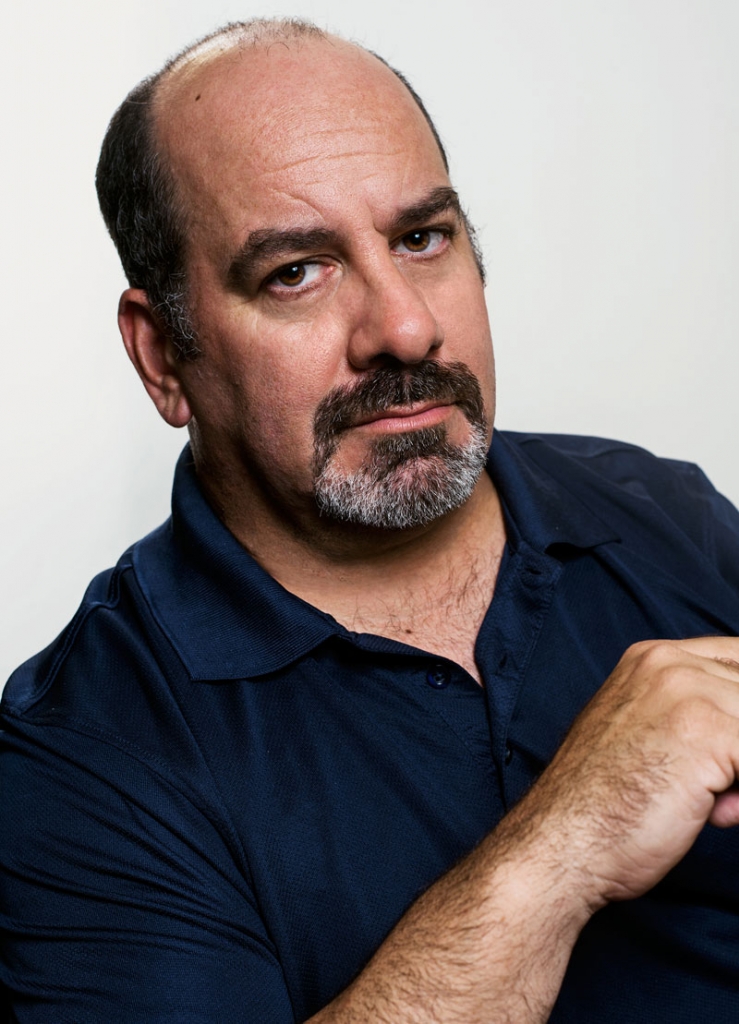
From The Sydney Morning Herald
Gomez says the transmedia producer can nurture a story world so it can blossom outside the film itself, and become integrated, artistically legitimate additions to the original work.
‘’With transmedia storytelling you are designing the narratives to carry over into all these different platforms. That means you can assert your creative vision over other manifestations of your story world.’’
Crucial to the transmedia success of an enterprise is that, as narrative universes expand across platforms, each iteration should add something new to the story and remain internally consistent with that universe.

“They are gorgeous,” said one Comic-Con attendee, Jeff Gomez, CEO of Starlight Runner Entertainment, a movie production company.
“And movie studios realize this is one way to rebuild equity in a brand name, by bringing out these beautiful packages.”

Quotes: “The secret to quality transmedia is partnership, not licensing.”—Danny Bilson, distilling the philosophy behind the transmedia approach.
The Takeaway: The transmedia approach is going to be a big trend in the coming years as game companies, television studios, book publishers, and more strive to maximize consumer engagement in their products.
Random Fact/Who Knew?: The Producers Guild of America recently ratified their first new recognized position in decades: Transmedia Producer.

One of the best articles ever on what we at Starlight Runner accomplish as transmedia producers….
EXCERPT:
This is not about plonking a character on a shirt, or a doll in a toyshop. To the proselytes like Gomez, the task is to tell important stories related to the original material across the range of material. It is called transmedia storytelling.
On the phone, Jeff cited the webisodes for Battlestar Galactica as an elegant example. “Things were revealed about ancillary characters, or terrestrial creatures or certain concepts that could be viewed independently but gave you new insight into the characters and concepts of the show.” he said. “They made you want to go back to the show, and re-examine their characters and motivations – that’s a great transmedia mutation because it caused you to look at the ancillary and rethink whats going on in the main content.”
This makes sense as a marketing tool. The ancillaries reach far beyond the film, and can be made to point back to it. “Look at District Nine”, he said, “and its marketing. Almost everything in that marketing was canonical. That makes it fascinating, and helped to build the level of interest in the film. You are paying for that if you are a studio. However, you might also accrue a number of licensees for the tee shirts and magazine and comic books and toys, based on your IP. Why not go further and give them bits of canonical content so you are simultaneously licensing the content, and nurturing the storyworld? That is a major rethink for many of our clients to get that.”
To do this, the story elements have to be distributed across the media, and therefore ruthlessly consistent. Indeed, the central property has to be able to bear the strain of all this extra material. This is far more elaborate than ensuring all the properties enhance the brand – it cuts to the heart of the script and the world it creates and inhabits.
This is the bit that creates a model of development which explains just why and how the big tentpole franchises are filling our multiplexes – a process which can be subverted for our more modest purposes.

The San Diego Comic-Con has posted the schedule for Saturday, July 24.
3:30-4:30
Red Faction Armageddon: How to Build a Transmedia Universe
— The biggest event in the mythology of one of the world’s most popular video games is also a flashpoint in the launch of the Red Faction multiplatform universe. Get exclusive information about it and pick up tips on world-building and game concept development, along with info about the partnership with Syfy in this in-depth Q&A with creator Danny Bilson (EVP Core Games, THQ), Lenny Brown (director IP development, THQ), Hollywood’s leading Transmedia producer Jeff Gomez (Avatar, Transformers, Tron Legacy, Men In Black 3D), Alan Seiffert (SVP, Syfy Ventures), and Erika Kennair (director, development, Syfy). Room 9

This is your opportunity to learn from and work with world’s leading transmedia pioneers!
International Speakers/Mentors include:
* Nathan Mayfield – One of the world’s leading transmedia producers: LOST, SPOOKS INTERACTIVE, DAY X EXISTS (Brisbane) * Jeff Gomez – CEO of Starlight Runner Entertainment, who was behind transmedia strategies for AVATAR, PIRATES OF THE CARIBBEAN, TRANSFORMERS & more (New York) * Gavin McGarry – President of Jumpwire Media, former Head of Cross Platform for Endemol, and creator of some of the first cross media TV content with NBC and Discovery (New York) * Suzanne Stefanac – Media and technology strategist, former Director of the American Film Institute’s Digital Content Lab (Los Angeles) * Dibakar Banerjee – Writer/Director of India’s first digital feature LSD: LOVE SEX AUR DHOKA (Mumbai) * Morgan Jaffit – One of Australia’s leading game developers and designers: PANDEMIC, HAPPY FEET (Brisbane) * Lisa Gray – Head of Content, The Feds: video mashup tool for THE GRUEN TRANSFER (Sydney) * Christy Dena – Transmedia designer and producer: worked on Tim Kring’s CONSPIRACY FOR GOOD (Melbourne)
“It represents a fundamental paradigm shift—one that producers all over Hollywood are scrambling to understand and leverage,” said Jeff Gomez, CEO of Starlight Entertainment, who has consulted on franchises such as “Pirates of the Caribbean.” “They’re going to make their budget back in 24 hours.”